If you’ve found an injured, sick, or orphaned wild animal, thank you for caring enough to help! Your compassion matters but it’s important to take the right steps to ensure the animal’s safety and yours. Thousands of animals are unintentionally kidnapped every year due to lack of knowledge about what is normal and not normal behavior for that animal.
Step 1: Observe Before You Act
Take a moment to quietly watch the animal before intervening. Many young animals are not truly orphaned – their parents may be nearby.
Common situations:
-
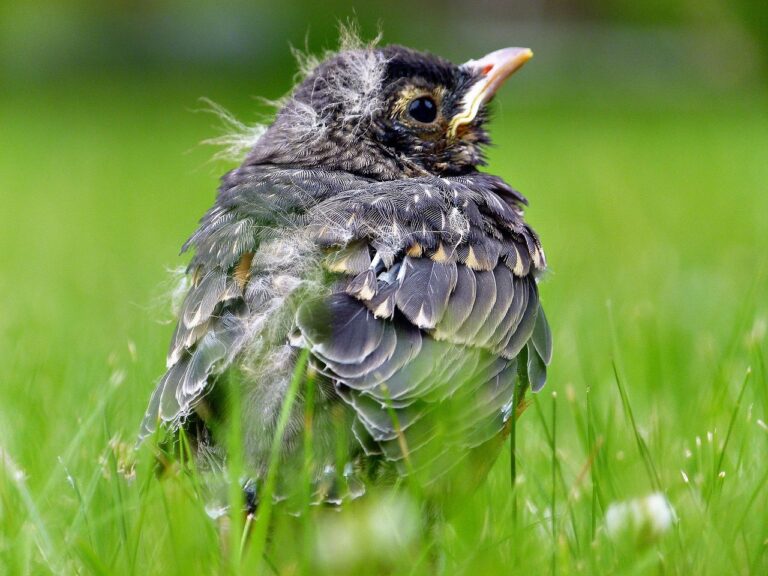
Baby birds: Fledglings often spend time on the ground while learning to fly. Parents will still come to feed and care for them so it is best to leave them where they are and watch for the parents. Intervene if they are visibly injured or sick, in immediate danger, or you do not see a parent coming to feed them for several hours.
-
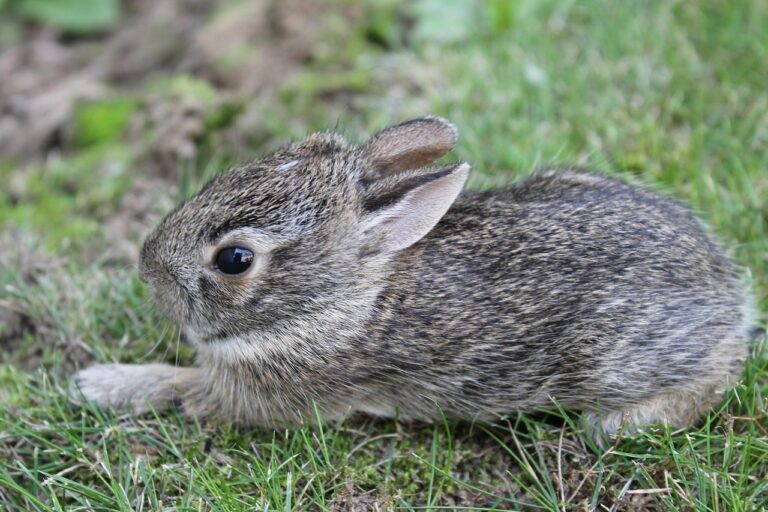
Baby mammals: A quiet, warm baby alone may simply be waiting for its mother. For instance deer and rabbit mothers only come once or twice a day – at dawn and dusk – to feed their young in order to not attract predators to the nest. Observe from a distance and if you see visible injuries, blood or flies then intervene. If not, wait and watch for signs the mother is coming.
-
Injured adults: Approach only if the animal is unable to move or clearly hurt. Never attempt to handle raptors, raccoons, foxes, bats, or other potentially dangerous species without guidance from an expert. We recommend using the box-over method to safely contain any animal. Contact us or Wildlife in Need PA for guidance.
Step 2: Keep Yourself Safe
-
Wild animals are frightened and can bite or scratch in self-defense.
-
Do not touch wildlife with bare hands. Use gloves or a towel if you must gently move or contain it.
-
IMPORTANT: Never feed or give water. This can easily cause harm or aspiration.
Step 3: Contain Only If Necessary
If the animal is injured, weak, or clearly orphaned and you need to hold it temporarily:
For animals you are able to safely pick up:
-
Line a secure box or container with a soft fabric like an old t-shirt or blanket. Do not use anything with loose threads or loops of thread as the animal may get their claws or talons tangled. Gently place the animal inside and keep it warm, dark, quiet, and safe.
For animals you should not handle utilize the box-over method to safely contain it:
-
Place a cardboard box or other container carefully over the animal.
-
Use a rigid, flat piece of cardboard to gently slide under the box and the animal. Go slowly and carefully.
-
Once the flat piece is under the box, slide your hand under the flat piece, then slowly roll the box over keeping the flat piece secure against the box as you roll. The flat piece will eventually be the top of the box.
-
You can then either tape the flat piece to the box to secure it or, replace it with another lid. Be careful not to let the animal escape while switching lids.
Keep the box away from people and pets. And never attempt treatment or feeding.
Step 4: Contact a Licensed Wildlife Rehabilitator
Wildlife rehabilitators are trained and are licensed by the Pennsylvania Game Commission to care for wild animals. They have the expertise, facilities, and legal authority to provide care safely.
To find a licensed rehabilitator closest to you:
Search by county on the PA Association of Wildlife Rehabilitators website: www.pawr.com
Who to call if an animal needs captured:
-
Wildlife in Need PA (WIN) – Statewide emergency response network for capturing and delivering injured, sick and orphaned wildlife within the Commonwealth of Pennsylvania
 814-414-4224 | www.winemergencyresponse.com
 -
PA Game Commission
1-833-PGC-WILD (742-9453) | https://www.pa.gov/agenices/pgc.com
Or contact us any time for assistance with a wildlife situation by using the contact form below:
Birdsong Raptor & Wildlife Center is currently in the process of becoming a licensed wildlife rehabilitation facility. While we are not yet permitted to accept wildlife for care, we actively work with area rehabilitators and organizations such as Wildlife in Need, PA to guide you to the right help.
Our mission is to help wildlife, connect people with nature, and inspire compassionate action for conservation.
 Important Disclaimer:
Birdsong Raptor & Wildlife Center is not yet licensed to receive or treat wildlife. Please contact a licensed rehabilitator immediately for any injured, sick, or orphaned animal. We are happy to help direct you to the appropriate resources.